
Welcome to a comprehensive guide on “Nahttypen,” the German term for seam types. This article aims to demystify the world of seam types, ensuring your sewing projects achieve both structural integrity and aesthetic appeal.
Whether you’re working with delicate fabrics or heavy denim, understanding nahttypen is essential for achieving professional-quality results. Mastering nahttypen allows you to choose the right seam for every sewing project.
Understanding Nahttypen
What are Nahttypen?
Nahttypen, translating to “types of seams” in German, are the diverse methods used to join fabric pieces together with stitches.
These methods vary significantly in structure, strength, and visual appeal, tailored to specific applications within sewing and garment construction.
A seam is more than just a line of stitches; it ensures the durability and integrity of the fabric pieces, and can also enhance a garment’s design, providing essential flexibility. Nahttypen refers to the different seam types that are used to join pieces of fabric together.
The Importance of Nahttypen in Sewing
Nahttypen are significantly more than mere stitching patterns; they fulfill crucial functional and aesthetic roles that influence how fabric behaves over time. The correct seam ensures several critical factors that contribute to the longevity and quality of a finished garment.
The correct choice of seam affects durability, preventing fraying and tearing, while also providing flexibility, allowing garments to stretch. A neat finish enhances the visual appeal, presenting a polished and professional look, and comfort, by preventing bulkiness.
The importance of nahttypen cannot be overstated; the choice of seam is crucial in achieving the desired outcome in any sewing project. Proper nahttypen ensures longevity and enhances the overall quality of your garments.
Also Read: Xoswerheoi: AI Buzzword or Hidden Gem? Discover the Hidden Gem
Categories of Nahttypen
There are various seam types, generally falling into three main categories with different purposes. Some common types include open seams, closed seams and decorative seams. Choosing the right seam type is crucial for achieving both durability and the desired aesthetic effect.
| Seam Type | Characteristics and Common Uses |
|---|---|
| Open Seams | Seam allowances are pressed open; ideal for lightweight or medium fabrics. |
| Closed Seams | Seam allowances are folded together and stitched; commonly used in denim for enhanced strength. |
Different Types of Seams
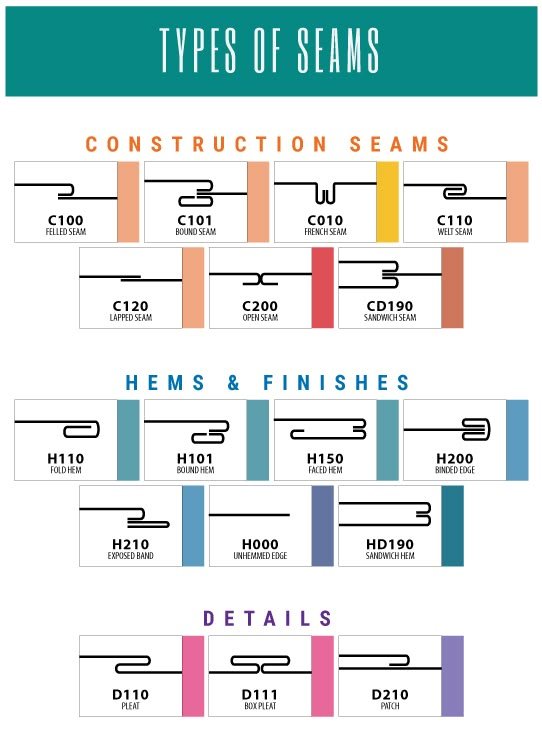
Common Seam Types
Among the many nahttypen, the plain seam stands out as the most basic, involving two fabric pieces placed right sides together and stitched along the fabric edge. The French seam is often used in high-end garment construction and delicate fabrics.
As for functional nahttypen, understanding different nahttypen and their specific functions is essential for successful sewing projects. Some nahttypen and their characteristics are listed below:
| Nahttypen | Characteristic |
|---|---|
| Flat-felled seam | Known for its durability |
| Lapped seam | One fabric overlaps another before a stitch |
An overlock seam, using a serger machine, is an efficient nahttypen to prevent fraying.
Decorative Nahttypen
Beyond their practical uses, nahttypen also serve decorative purposes, adding visual appeal and individuality to garments. Topstitching, for instance, not only reinforces seams but also highlights them. The French seam offers a refined finish, ideal for delicate fabrics.
The flat-felled seam is a popular choice for denim and heavier textiles. Specialized nahttypen enhance both durability and aesthetics in sewing and garment construction.
To elevate your sewing, experimenting with different nahttypen can significantly impact the overall look and feel of a garment. Thus, understanding nahttypen is essential to unleash your creativity and achieve the desired visual appeal.
Flat-Felled Seam vs. French Seam
Among functional nahttypen, the flat-felled seam is a strong choice, commonly found in denim and workwear. It involves folding and stitching fabric layers to hide raw fabric edges.
The French seam is a refined nahttypen, ideal for delicate fabrics like silk, preventing fraying and giving a clean, professional look.
Both are valuable in garment construction, but the flat-felled seam prioritizes durability, while the French seam offers a clean finish. Therefore, mastering nahttypen involves knowing when to choose the right nahttypen for each sewing project.
Choosing the Right Seam Type
Factors to Consider When Choosing Nahttypen
Selecting the proper nahttypen depends on fabric type, garment purpose, and design intent. Lightweight fabrics may require French seams, while heavy denim needs flat-felled seams.
Formal garments often need invisible or French seams, while casual wear tolerates visible topstitching. Workwear benefits from reinforced seams.
Selecting the right nahttypen requires analyzing several factors to ensure both aesthetics and durability are achieved. Understanding nahttypen can elevate your sewing, ensuring the final product will hold up under stress.
Choosing the Right Seam for Different Fabrics
Different fabrics require different seam types to ensure durability and a professional finish. Matching the seam type to fabric ensures the garment’s longevity and appearance.
Nahttypen refers to various methods, each designed to complement specific textile qualities, thereby enhancing both the garment’s structure and aesthetics. Different fabrics require different seam types, impacting durability and appearance.
| Fabric Type | Recommended Seam Type |
|---|---|
| Lightweight fabrics | French seam |
| Denim or canvas | Flat-felled seam |
| Stretch fabrics | Overlock seam |
| Sheer fabrics | Bound or French seam |
| Leather or vinyl | Lapped seam |
Mastering Nahttypen for Garment Construction
Understanding nahttypen lets you choose the right seam for function, design, and strength. Nahttypen are the foundation of garment construction and joining fabric pieces together. By mastering nahttypen, you can make garments that look professional and last longer under wear.
Always match the seam type with the fabric characteristics, press seams properly, and use the correct stitch length and thread quality. The choices you make in this phase set the foundation for your entire creation journey. Thus, nahttypen is crucial for professional results. You can get more inspiration from sewing and garment construction from Forbes.
Mistakes and How to Avoid Them
Common Mistakes in Using Nahttypen
One common mistake is not choosing the right nahttypen for the fabric. Using a flat-felled seam on delicate fabrics, for instance, can cause puckering, while a simple seam on denim may not provide sufficient durability.
Not understanding nahttypen can also lead to using the wrong stitch length. Selecting the correct stitch type is key to preventing fraying, thus nahttypen is essential to ensure quality and longevity in garment construction.
Therefore, the key to avoiding these issues is thoroughly understanding nahttypen and practicing with various seam types.
Tips for Seam Perfection
To achieve seam perfection, it’s crucial to choose the right seam type for the specific fabric and project. Always press your seams as you sew to set the stitches and create a crisp, clean finish.
For delicate fabrics, consider a French seam to prevent fraying and provide a professional look. Reinforce high-stress areas with a stronger stitch type and ensure that the thread color matches the fabric for a seamless appearance.
When mastering nahttypen, consistent stitch length and tension are essential to achieving a smooth, balanced seam. Understanding nahttypen is essential to create professional level finishes.
Innovations in Nahttypen
Innovations in nahttypen are continually evolving to meet the demands of modern garment construction. Advanced sewing machines now offer a wide array of specialized stitches, allowing for more complex and decorative seams.
The rise of sustainable textiles has also driven the development of nahttypen that minimize fabric waste and enhance garment durability. For example, new flat-felled seam variations optimize durability while reducing bulk.
Also, choosing the right nahttypen is now more efficient due to technology improvements in machine settings. Experimenting with different nahttypen continues to push the boundaries of design, understanding nahttypen can elevate your sewing.
Durability and Performance of Different Seam Types
Assessing Durability in Seam Types
Assessing the durability of different seam types involves considering several factors, including the fabric type, stitch density, and intended use of the garment.
A flat-felled seam, known for its strength, is ideal for denim and workwear due to its ability to withstand high stress. In contrast, a French seam, while elegant, may not be suitable for heavy-duty applications but excels in delicate fabrics.
Different fabrics require different seam types, which impacts durability and longevity of the final product. Nahttypen refers to various methods, each designed to complement specific textile qualities, thereby enhancing both the garment’s structure and aesthetics.
Performance in Garment Construction
In garment construction, the performance of nahttypen significantly impacts the overall quality and longevity of a garment. The right seam type can enhance comfort, improve fit, and prevent fraying or tearing.
For instance, an overlock seam is often used on stretch fabrics to ensure flexibility and durability during movement. A well-executed flat-felled seam in denim ensures the garment can withstand wear and tear, and a properly executed French seam on delicate fabrics prevents fraying.
Understanding nahttypen is key to choosing the right nahttypen to ensure performance. Nahttypen ensures the product’s durability, therefore it is an extremely important element of garment construction.
Future Trends in Seam Types
Future trends in seam types are geared towards sustainability and efficiency. Innovations include nahttypen that reduce fabric waste and enhance garment recyclability.
The integration of technology, such as ultrasonic seaming, is also on the rise, offering stronger and more seamless finishes. Consumers are increasingly valuing garments that are both durable and environmentally friendly, driving the demand for innovative nahttypen that meet these criteria.
Therefore, mastering nahttypen is more important than ever, as nahttypen plays a crucial role in shaping the future of garment construction. Also, understanding nahttypen is essential for creating sustainable and high-quality products.
FAQS
Yes. Understanding nahttypen (seam types) helps you choose the right seam for each fabric, resulting in stronger, more professional-looking garments.
Perfect stitching comes from selecting the correct seam type, stitch length, and tension. Knowing nahttypen prevents fraying and improves garment durability.
Nahttypen is the German term for “seam types.” It refers to different ways of joining fabric. Each type supports specific fabrics and improves strength and appearance in sewing projects.
Seam types are methods used to connect fabric pieces. They vary in strength and look, and choosing the right type ensures durable and neat garment construction.
Fabric type decides which seam to use. Light fabrics often need enclosed seams (like French seams), strong fabrics need reinforced seams (like flat-felled seams), and stretch fabrics work best with overlock or stretch seams.