
The phoenix, or ave fenix, is a powerful and enduring symbol deeply embedded in human culture. Its story, woven through various mythologies, speaks of cyclical renewal, resurrection, and immortality. This article explores the origins, symbolism, and cultural interpretations of this magnificent mythical bird, a creature forever linked to the concepts of rebirth and resilience.
The Mythical Story of the Phoenix
The origins of phoenix mythology can be traced back to ancient Egyptian mythology. The Egyptians revered a similar mythical creature known as the Bennu bird, associated with the sun god Ra and linked to renewal and rebirth. The Greeks later adopted and adapted this imagery, giving rise to the phoenix as we know it today. Key characteristics of the phoenix myth are summarized below:
| Aspect | Description |
|---|---|
| Lifespan | Around 500 years |
| Rebirth | The phoenix bird builds a nest of twigs and sets it on fire. Consumed by the fire, it then rises from the ashes, reborn from its ashes into a young phoenix, continuing its endless cycle of life. |
Symbolism of Rebirth and Resilience
The story of the phoenix is a potent symbol of hope, resurrection, and immortality. The phoenix, consumed by fire, represents the end of a cycle, a period of destruction or hardship. However, its miraculous rise from the ashes embodies the ultimate triumph over adversity.
The phoenix represents our capacity for resilience, the ability to overcome challenges and emerge stronger, wiser, and renewed. The very image of the ave fenix evokes feelings of optimism and the promise of a brighter future, even in the darkest of times; like the phoenix that rises again, so can we.
Different Cultures’ Interpretations
While the core mythology remains consistent, different cultures have imbued the ave fénix with their own unique interpretations. In some cultures, the phoenix is seen as a celestial being, a messenger of the gods, or a symbol of royal power. Others associate it with fire, passion, and transformation.
The phoenix bird is often used as a metaphor for personal growth, spiritual awakening, and the continuous process of self-improvement. Each culture has its own distinct mythical narrative, but the common thread remains: the phoenix represents the enduring power of renewal and the unwavering potential for rebirth, making it a timeless and universal symbol of immortality.
Ave Fénix in Literature and Art
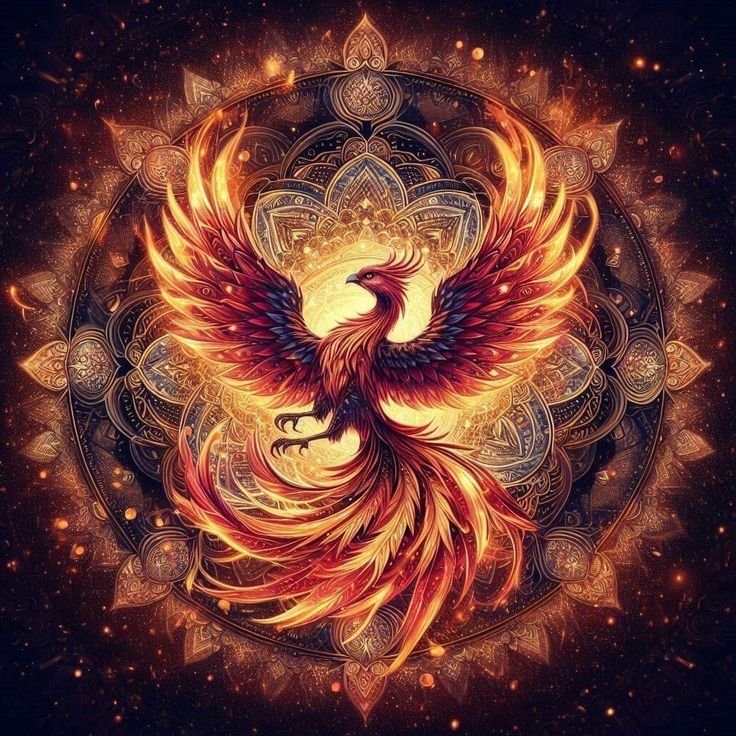
The ave fénix, as a potent symbol, has naturally found its way into numerous literary works throughout history. Even in ancient texts, echoes of the mythical creature and the broader mythology can be discerned. While direct references may be scarce, the themes of rebirth, renewal, and resurrection, so closely associated with the phoenix bird, appear in various narratives.
The idea of something emerging from the ashes, stronger after experiencing fire, resonates with many ancient tales of transformation and trials. These stories, even without explicitly mentioning el ave fénix, contribute to the enduring legacy and understanding of the symbol of immortality. The Greeks, for instance, incorporated the story of the phoenix into their philosophical and allegorical writings.
Modern Adaptations of El Ave Fénix
In modern literature, el ave fénix undergoes diverse adaptations, reflecting contemporary concerns and interpretations. Some authors use the phoenix as a direct metaphor for personal resilience, exploring characters who overcome trauma and are reborn from its ashes. Others delve into the darker aspects of immortality, questioning the cost of the endless cycle of life and the burden of constant renewal.
Fantasy literature frequently features the phoenix bird as a powerful magical being, often associated with fire and destruction, but ultimately a force for good. The ave fenix continues to inspire writers to explore themes of rebirth, transformation, and the cyclical nature of existence, demonstrating the mythical bird‘s enduring relevance; like the phoenix that rises, so does literature.
Visual Art Depictions
The visual arts have long been captivated by the image of the ave fenix. Artists have sought to capture the essence of this mythical bird in various forms, emphasizing key symbolic elements as shown below.
| Element | Representation |
|---|---|
| Fire | Often symbolizes destruction and passion. |
| Phoenix bird‘s plumage | Represented with vibrant colors, contrasting with the fire. |
The rise from the ashes is a recurring motif, depicted through swirling patterns and dynamic compositions. Whether rendered in vibrant hues or somber tones, the ave fénix in visual art remains a powerful symbol of hope and immortality.
The Phoenix in Popular Culture
In film and television, the ave fénix often appears as a visually stunning creature, used to add a layer of mythical depth to various narratives, from fantasy adventures to stories of personal transformation. When el ave fénix is included, characters often face trials that mirror the phoenix‘s journey. The special effects used to depict the phoenix‘s fire and subsequent rise from the ashes are particularly captivating, enhancing the mythical creature‘s aura. Its representation can be summarized as follows:
| Characteristic | Symbolism |
|---|---|
| Immortality | Hope |
| Rebirth | Resurrection |
Like the phoenix, so can we learn to adapt and thrive.
Influence on Music and Literature
The mythology of the ave fenix has deeply influenced both music and literature. In music, the phoenix‘s rebirth is often used as a metaphor for overcoming personal struggles and finding inner strength. Lyrics frequently evoke the image of the phoenix bird rising from the ashes, symbolizing triumph over adversity.
In literature, the story of the phoenix serves as a recurring theme, exploring the cyclical nature of life and death, and the potential for renewal. Authors use the phoenix to represent characters who undergo significant transformations, emerging stronger and wiser from their experiences. The mythical bird continues to inspire creativity across various artistic mediums, embodying the enduring power of hope and renewal, much like the phoenix.
The Phoenix as a Symbol of Hope
The ave fenix stands as a potent symbol of hope, resilience, and immortality across cultures and generations. The image of the phoenix bird, consumed by fire yet reborn from its ashes, resonates deeply with the human spirit. The rise from the ashes signifies the triumph over adversity, the ability to overcome challenges, and the promise of a brighter future.
Whether facing personal struggles or societal upheavals, the mythical creature represents the enduring power of renewal. El ave fénix reminds us that even in the darkest of times, rebirth is possible. The story of the phoenix continues to inspire and uplift, providing a beacon of hope and renewal and symbolizing the endless cycle of life for those who seek solace and strength.
FAQS
Ave Fenix is a phrase of Latin origin that translates directly to “Phoenix Bird” in English. It refers to the mythical creature known for its association with rebirth and renewal. The term encompasses the entire legend of the phoenix bird, including its fiery demise and subsequent resurrection from the ashes. When someone uses the term Ave Fenix, they are often invoking the rich mythology and symbol of hope associated with this timeless mythical bird. The implication is often one of transformation, overcoming adversity, and the potential for a new beginning.
The phoenix bird is generally considered a benevolent and positive figure in most mythologies. The story of the phoenix is not typically associated with evil or malevolent intent. Instead, el ave fénix is a symbol of hope, resurrection, and immortality. While the fire that consumes the phoenix may represent destruction, it is ultimately a necessary part of the endless cycle of life and rebirth. The phoenix represents the triumph over adversity, the ability to be reborn from its ashes, and the promise of renewal. The mythical creature signifies transformation and positive change, making it a symbol of goodness in many cultures. Like the phoenix, it is something powerful.
The image of the phoenix rising from the ashes is a powerful metaphor for overcoming adversity and achieving rebirth after a period of destruction or hardship. The story of the phoenix represents the ability to transform oneself, to learn from past mistakes, and to emerge stronger and wiser. The rise from the ashes symbolizes renewal, resilience, and the unwavering hope for a better future. It implies that even in the face of seemingly insurmountable challenges, it is possible to be reborn from its ashes. This mythical creature embodies the idea that endings can lead to new beginnings and that every setback presents an opportunity for growth and transformation, embodying the symbol of immortality.
Simply put, ave fenix directly translates from Latin to “phoenix bird” in English. However, the meaning extends far beyond a simple translation. The term ave fénix is deeply rooted in mythology, carrying the weight of centuries of symbolism and cultural interpretation. When someone says ave fenix, they are referring to the mythical creature associated with rebirth, renewal, and immortality. It invokes the story of the phoenix, its fiery demise, and its miraculous rise from the ashes. It stands as a symbol of hope, transformation, and the cyclical nature of life. Its essence suggests that we can face life’s trials.
Yes, the Greeks were indeed familiar with and wrote about the phoenix. The Greeks adopted and adapted the mythical creature from ancient Egyptian mythology, associating it with the sun and cycles of time. While the exact details of the story of the phoenix may have varied slightly, the core concept of a bird that is reborn from its ashes remained consistent. The Greeks incorporated the phoenix bird into their philosophical and allegorical writings, using it as a symbol of resurrection, renewal, and the endless cycle of life. They revered it as a mythical bird of great significance, understanding its power in cultural narratives