
The Genghis Khan Statue Complex in Mongolia stands as a testament to the enduring legacy of Chinggis Khaan, the legendary warrior and founder of the Mongol Empire. This imposing Genghis Khan statue complex, located near Ulaanbaatar, offers visitors a unique opportunity to delve into Mongolian history and culture, centered around the figure of the first Great Khan. The equestrian statue of Genghis Khan is an awe-inspiring sight, representing the might and influence of the man who once ruled a vast empire.
Introduction to Genghis Khan
Chinggis Khaan holds an unparalleled position in Mongolian history as the founder and Great Khan of the Mongol Empire. Born Temüjin, his rise to power involved uniting disparate Mongol tribes, forging a formidable military force, and establishing a code of law known as the Yassa. Genghis Khan’s leadership transformed Mongol society and laid the foundation for an empire that stretched across Asia and into Europe.
Historical Significance of Genghis Khan
Genghis Khan’s historical significance extends far beyond military conquests, including administrative reforms, fostering trade, and promoting religious tolerance. His reign marked a pivotal moment in world history, shaping the political and cultural landscape of Eurasia for centuries. As a national symbol, the statue of Genghis Khan represents the power of the Mongol Empire.
Legacy of Chinggis Khaan
The legacy of Chinggis Khaan is deeply ingrained in Mongolian national identity and culture, and he is revered as a national hero. The construction of the Chinggis Khaan statue complex reflects the enduring importance of his legacy and serves as a reminder of Mongolia’s rich historical heritage.
Overview of the Genghis Khan Statue Complex
The Genghis Khan Statue Complex, found on the bank of the Tuul River at Tsonjin Boldog, is dominated by the world’s largest equestrian statue, a magnificent 40-meter-high monument depicting Genghis Khan on horseback. The complex features a visitor center, archaeological museum, and other attractions. Visitors can even ascend to the horse’s head for panoramic views of the surrounding landscape.
Exploring the Genghis Khan Statue Complex
The Genghis Khan Statue Complex blends traditional Mongolian elements with modern engineering, with the 40-meter-tall stainless steel statue of Genghis Khan on horseback as the centerpiece. The surrounding complex features a circular structure that houses a visitor center and museum.
Features of the Genghis Khan Equestrian Statue
Visitors can ascend inside the horse of the Genghis Khan equestrian statue to enjoy panoramic views of the Mongolian landscape. The statue is made of stainless steel and faces east towards his birthplace.
Visitor Experience at the Statue Complex
A visit to the Genghis Khan Statue Complex offers a rich cultural experience with a visitor center, archaeological museum, and restaurant. The highlight is the ascent to the horse’s head for breathtaking views.
Visiting Ulaanbaatar
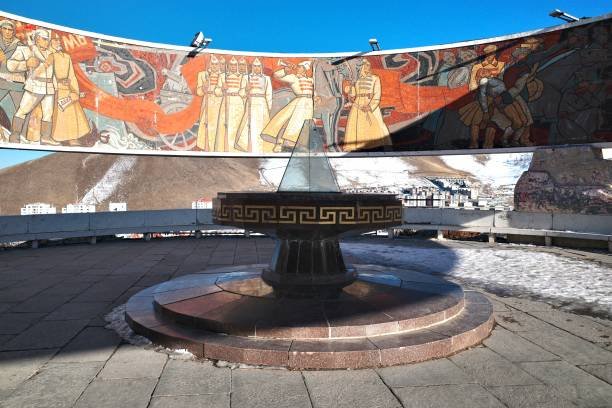
Reaching the Genghis Khan statue from Ulaanbaatar involves hiring a private car or taxi, or joining an organized tour, with the journey taking approximately an hour and a half.
Local Attractions near the Statue
Beyond the imposing Genghis Khan statue, the area surrounding the Genghis Khan statue complex offers several attractions worth exploring. Terelj National Park, known for its stunning natural beauty and rock formations, is a short drive away. Gun-Galuut Nature Reserve offers opportunities for birdwatching and wildlife viewing.
Visitors can also experience traditional Mongolian culture by visiting a local ger camp, where they can stay in a ger, sample Mongolian cuisine, and witness traditional performances. The proximity of the giant Genghis Khan statue complex to these attractions makes it an ideal base for exploring the Mongolian countryside near Ulaanbaatar.
Tips for Visiting the Genghis Khan Statue Complex
Here are some tips to make your visit to the remarkable Genghis Khan statue complex even better. It’s a good idea to:
- Dress in layers, as the Mongolian weather can be unpredictable.
- Wear comfortable shoes, as you’ll be doing some walking.
- Bring sunscreen, sunglasses, and a hat to protect yourself from the sun.
Be respectful of local customs and traditions. The best time to visit is during the shoulder seasons (spring or fall) to avoid the crowds and extreme temperatures. Don’t forget your camera to capture the breathtaking views from the horse’s head of the Genghis Khan equestrian statue.
Conclusion
The enduring impact of Chinggis Khaan is deeply felt throughout Mongolia. The legacy of this first great khan is captured in the imposing Genghis Khan statue complex. The presence of the Genghis Khan equestrian statue serves as a powerful monument to his leadership and military prowess. The people of Mongolia use the statue of Genghis Khan to remember the Mongol Empire. Visiting the giant Genghis Khan statue complex provides an opportunity to reflect on the impact of Mongolian warrior Genghis Khan and his contributions to world history. The largest equestrian statue serves as a reminder of the enduring power of the Mongol heritage.
The Importance of Chinggis Khaan in Mongolia Today
Today, Chinggis Khaan remains a central figure in Mongolian national identity. He is revered as a national hero, a symbol of strength, and the founder of the Mongol Empire. The Genghis Khan statue stands as a testament to the enduring importance of his legacy. The Mongolian people see him as a leader who united the tribes. As such, the Genghis Khan equestrian statue serves not only as a historical marker but also as a source of national pride and unity. In Mongolia, Chinggis Khaan symbolizes the country’s rich cultural heritage and its historical achievements.
Encouragement to Visit the Genghis Khan Statue
A visit to the Genghis Khan statue is a must for anyone interested in history, culture, and the legacy of Chinggis Khaan. The equestrian statue in Mongolia offers panoramic views of the surrounding landscape from the horse’s head. The Genghis Khan Statue Complex immerses visitors in Mongolian history and culture.
FAQS
The giant Genghis Khan statue is located 54 km (33.5 miles) east of Ulaanbaatar at Tsonjin Boldog. It sits on the bank of the Tuul River. This impressive equestrian statue of Genghis Khan dominates the landscape and is a prominent landmark in the Mongolian countryside. The area surrounding the Genghis Khan Statue Complex is known for its historical significance, making it a popular destination for tourists and locals alike. Many people visit the Genghis Khan statue to learn about history.
The Genghis Khan equestrian statue was completed in 2008. The Mongolian people constructed this world’s largest equestrian statue as a symbol of national pride and in honor of Chinggis Khaan. Its construction marked a significant milestone in Mongolia’s efforts to preserve and celebrate its historical heritage. The imposing Genghis Khan statue quickly became a popular landmark and tourist attraction.
The Chinggis Khan statue, also known as the Genghis Khan statue, is situated at Tsonjin Boldog, approximately 54 kilometers east of Ulaanbaatar, Mongolia. This location was chosen for its historical importance and its scenic beauty, nestled along the Tuul River. The Chinggis Khaan equestrian statue stands as a powerful symbol of Mongolian history. It attracts visitors from around the globe who come to admire the statue of Chinggis.
The Chinggis Khaan statue complex is situated in Tsonjin Boldog, located roughly 54 kilometers (33.5 miles) east of Ulaanbaatar in Mongolia. The complex features the magnificent equestrian statue of Genghis Khan and several associated facilities. These facilities provide visitors with an immersive cultural experience, showcasing Mongolian history and heritage. The Genghis Khan Statue Complex site was carefully selected for its historical significance and natural beauty. The complex is on the bank of the Tuul River.